
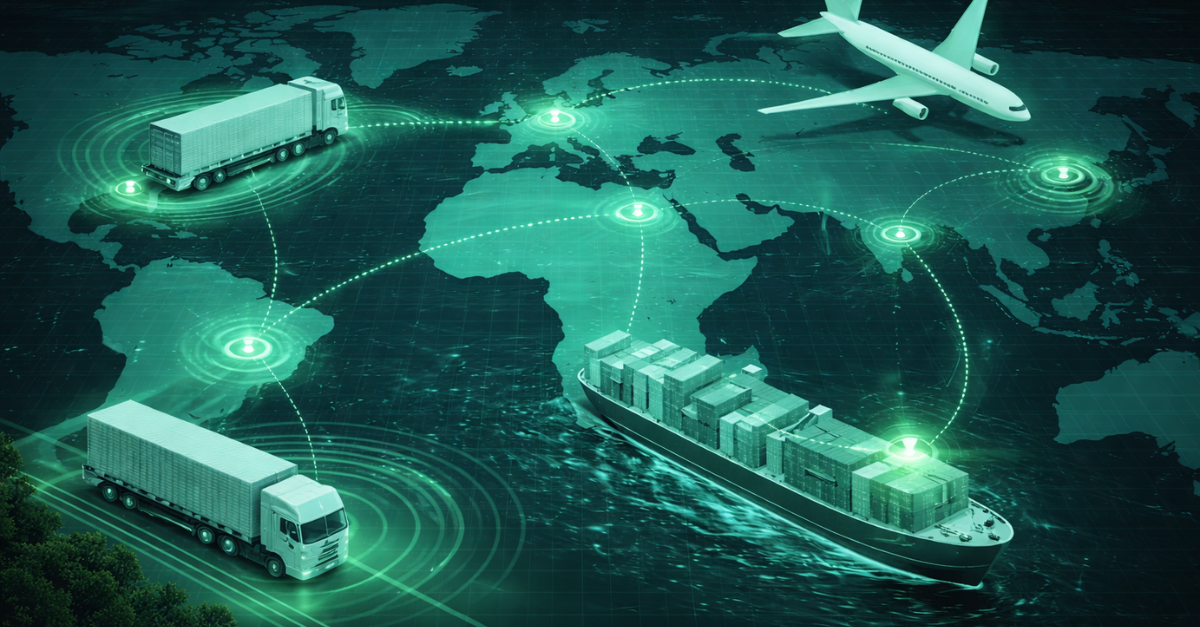
Cold chain logistics carries some of the most valuable and sensitive products in the global economy. Pharmaceutical therapies, vaccines, biologics, fresh food, and temperature sensitive materials move across continents every day. The integrity of these shipments often depends on maintaining precise environmental conditions from origin to destination.
Yet many cold chain operations still rely on monitoring systems that only reveal problems after the damage has already occurred.
AI cold chain monitoring is changing that model. Instead of simply recording conditions, intelligent monitoring systems detect anomalies, analyze patterns, and help logistics teams respond before product integrity is compromised. This shift is transforming how organizations protect high value shipments and manage complex supply chains.
For companies operating in pharmaceutical distribution, food logistics, and temperature controlled transportation, this evolution represents a new level of operational awareness.
The Cold Chain Has Become Critical Global Infrastructure
Cold chain logistics now supports a massive portion of global commerce. Pharmaceutical manufacturers ship temperature sensitive medications worldwide. Food producers move perishable products across long distances. Healthcare systems rely on stable supply chains to maintain patient care.
However, the cold chain is fragile by nature.
Even minor environmental deviations can damage products that depend on strict temperature control. Temperature drift, unexpected light exposure, excessive vibration, or extended dwell time can all threaten shipment integrity.
The challenge is that these problems rarely appear as dramatic failures. More often, they occur through small unnoticed changes across long journeys involving multiple transportation modes and facilities.
Because of this complexity, organizations need continuous environmental intelligence throughout the shipment lifecycle.
This is where AI cold chain monitoring becomes essential.
Why Traditional Cold Chain Monitoring Falls Short
For many years, cold chain monitoring relied on passive logging devices. These systems recorded environmental data during transit and provided a report once the shipment arrived.
While this approach created basic documentation, it also introduced serious limitations.
Traditional monitoring systems often reveal issues only after a shipment has already reached its destination. By the time the data is reviewed, temperature excursions or handling problems may have already compromised the product.
In addition, passive systems often lack visibility during critical moments of the journey. Shipments move through trucks, cargo aircraft, warehouses, and distribution centers, each introducing potential risks.
Without continuous intelligence, supply chain teams are left reacting to problems rather than preventing them.
AI cold chain monitoring addresses these gaps by turning environmental monitoring into a real time operational capability.
AI Cold Chain Monitoring Introduces Operational Intelligence
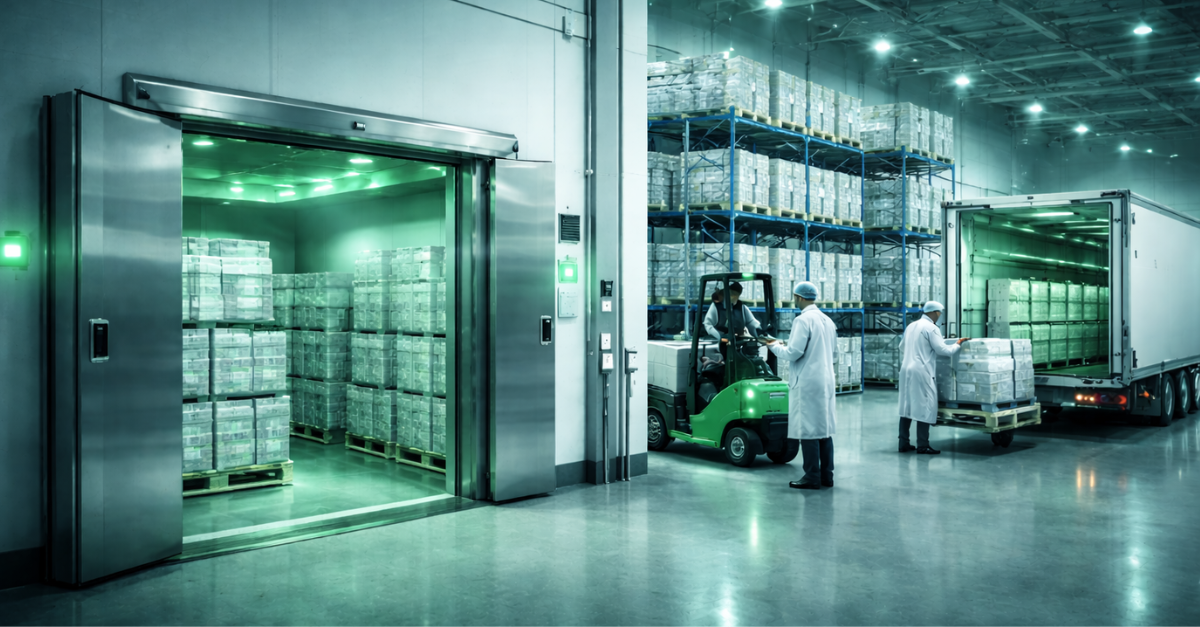
AI cold chain monitoring goes far beyond simple data logging. It combines sensor technology, connectivity, and machine learning to detect patterns that signal emerging risks.
Sensors capture environmental conditions such as temperature, humidity, light exposure, shock, fall events, and motion. These signals provide a comprehensive picture of how shipments are handled throughout transit.
Artificial intelligence then analyzes these data streams to detect anomalies that might indicate potential problems.
For example, a sudden temperature fluctuation may suggest refrigeration issues. Unexpected light exposure could signal a container opening. Shock events may reveal improper handling.
Instead of waiting for post shipment reports, logistics teams gain insight into conditions while shipments are still moving through the supply chain.
As a result, AI cold chain monitoring transforms monitoring into a proactive operational tool.
Global Visibility Across Complex Transportation Networks
Modern cold chain shipments rarely follow a simple route. A single shipment may travel by truck, aircraft, maritime vessel, and multiple distribution centers before reaching its final destination.
Maintaining visibility across these transitions has historically been difficult.
AI cold chain monitoring systems solve this challenge through global connectivity and continuous environmental tracking. Modern devices use LTE Cat M and NB IoT networks to transmit location and sensor data across wide geographic areas.
In addition, intelligent devices log sensor data even when cellular connectivity is temporarily unavailable. When connectivity resumes, the recorded environmental history becomes available for review and compliance documentation.
This capability ensures that organizations maintain a complete record of shipment conditions, even when goods travel through remote regions or aircraft cargo holds.
The result is a continuous chain of environmental intelligence across the entire shipment journey.
From Compliance Tool to Strategic Supply Chain Asset
For many organizations, cold chain monitoring has historically been viewed as a regulatory requirement. Data loggers were deployed primarily to satisfy compliance standards or audit requirements.
However, AI cold chain monitoring changes the role of monitoring entirely.
Instead of serving only as documentation, monitoring data becomes a strategic asset. Environmental data provides insight into shipment performance, carrier handling practices, and logistics planning decisions.
Over time, organizations can identify patterns that influence shipment outcomes.
These insights allow supply chain teams to refine delivery routes, improve packaging strategies, and reduce risk exposure across their logistics networks.
In this way, cold chain intelligence becomes a powerful decision making tool rather than a passive reporting system.
Supporting Pharmaceutical Compliance and Audit Readiness
Regulated industries such as pharmaceutical distribution require strict documentation of shipment conditions. Regulatory agencies expect organizations to demonstrate that sensitive products have remained within acceptable environmental ranges throughout transport.
AI cold chain monitoring strengthens compliance readiness by providing a detailed environmental record for each shipment.
Sensor playback allows teams to reconstruct the full journey of a shipment, including temperature trends, handling events, and location history. This information can support regulatory investigations, product quality reviews, and audit documentation.
By maintaining a clear chain of environmental data, organizations gain confidence that they can demonstrate shipment integrity whenever required.
This capability is particularly valuable for pharmaceutical manufacturers and healthcare logistics providers.
The Future of Cold Chain Logistics Will Be Intelligence Driven
As global supply chains grow more complex, monitoring systems must evolve to keep pace with operational demands.
The future of cold chain logistics will rely on intelligence driven monitoring platforms that combine environmental sensing, predictive analytics, and global connectivity.
These systems will identify risks before products are compromised. They will analyze shipment patterns across thousands of deliveries. They will help organizations refine logistics strategies based on real operational data.
Companies that adopt AI cold chain monitoring early will operate with greater visibility and stronger control over their supply chains.
In contrast, organizations that rely solely on passive monitoring may find themselves reacting to problems that could have been prevented.
How HoloTrak Advances AI Cold Chain Monitoring
HoloTrak has developed intelligent monitoring technologies designed to bring this next generation capability to cold chain operations.
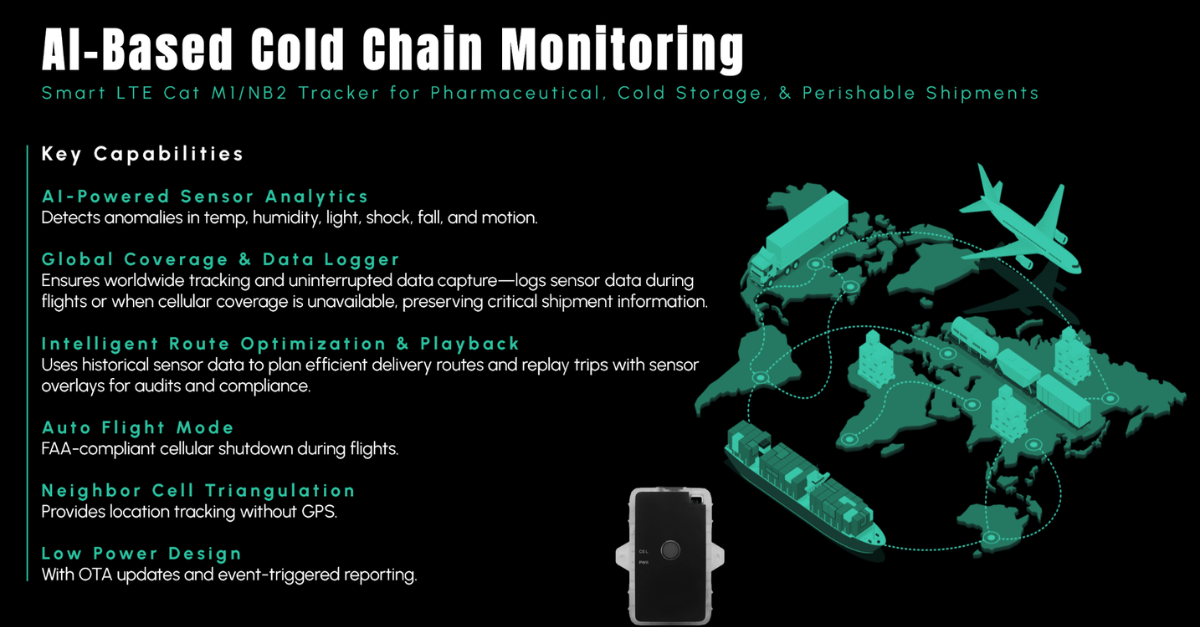
Through advanced sensor analytics, anomaly detection, and global connectivity, HoloTrak solutions allow organizations to observe shipment conditions across complex transportation networks.
Environmental sensors capture temperature, humidity, light exposure, motion, and shock events. Intelligent monitoring systems analyze these signals to detect irregular conditions and provide deeper operational insight.
In addition, route playback and historical sensor analysis allow organizations to review shipment performance and refine logistics planning.
These capabilities help transform cold chain monitoring into a continuous intelligence layer that strengthens shipment integrity and operational visibility.
Shipment Integrity Should Never Be a Guess
Cold chain logistics carries products that affect public health, global food supply, and critical industries. Protecting these shipments requires more than occasional temperature checks or passive data logging.
AI cold chain monitoring introduces a new model where environmental intelligence travels with every shipment. By detecting anomalies, capturing environmental conditions, and preserving data across global routes, intelligent monitoring systems allow organizations to operate with confidence.
If your organization is responsible for protecting temperature sensitive shipments, now is the time to rethink what monitoring should deliver. Connect with HoloTrak to explore how intelligent cold chain visibility can help you reduce risk, strengthen compliance, and operate with greater confidence.