

Cold chain monitoring solutions are often described as systems that keep products within a safe temperature range. That definition is technically correct. It is also incomplete.
In reality, cold chain monitoring solutions determine whether your organization absorbs preventable losses or operates with precision. They shape how quickly your team responds to risk, how confidently you handle audits, and how well you protect your brand when shipments move across cities, states, and continents.
If your cold chain strategy ends with temperature reports, you are managing compliance. If it delivers real time temperature monitoring, GPS asset tracking for cold chain environments, and proactive alerts, you are managing control.
That difference changes everything.
The Real Risk in the Cold Chain Is Not Temperature
Temperature is the visible variable. Uncertainty is the real threat.
Most losses in cold chain environments do not begin with catastrophic refrigeration failure. They begin quietly:
- A trailer sits longer than expected at a distribution yard.
- A door is left open during loading.
- A refrigeration unit cycles irregularly overnight.
- A container is rerouted without visibility.
By the time someone reviews a temperature log, the damage may already be done.
Cold chain monitoring solutions that rely on delayed reporting create a dangerous gap between event and awareness. In contrast, real time temperature monitoring closes that gap. It transforms temperature from a historical record into an operational signal.
The companies that win in cold chain logistics do not just record what happened. They intervene before loss occurs.
What Traditional Cold Chain Monitoring Gets Wrong
Traditional systems were built for documentation. Modern operations require intervention.
Here are common limitations:
- Post-Delivery Reporting
Many platforms generate temperature reports only after delivery. While useful for audits, these reports do not prevent spoilage. They only explain it.
- Fragmented Visibility
Fleet telematics may track tractors. Refrigeration systems may track internal temperature. Warehouse systems may track storage. Yet these platforms rarely operate as one unified view.
The result is blind spots during handoffs, trailer swaps, and yard dwell time.
- Loss of Insight When Trailers Detach
Once a trailer disconnects from a powered vehicle, visibility often disappears. For operations that rely on drop-and-hook, intermodal, or long dwell environments, this is a major vulnerability.
Cold chain monitoring solutions must extend beyond the truck. If your visibility ends when power disconnects, your risk does not.
The Shift to Asset-Level Intelligence
Modern cold chain monitoring solutions move from vehicle-centric tracking to asset-level intelligence.
This shift matters because the asset carries the risk.
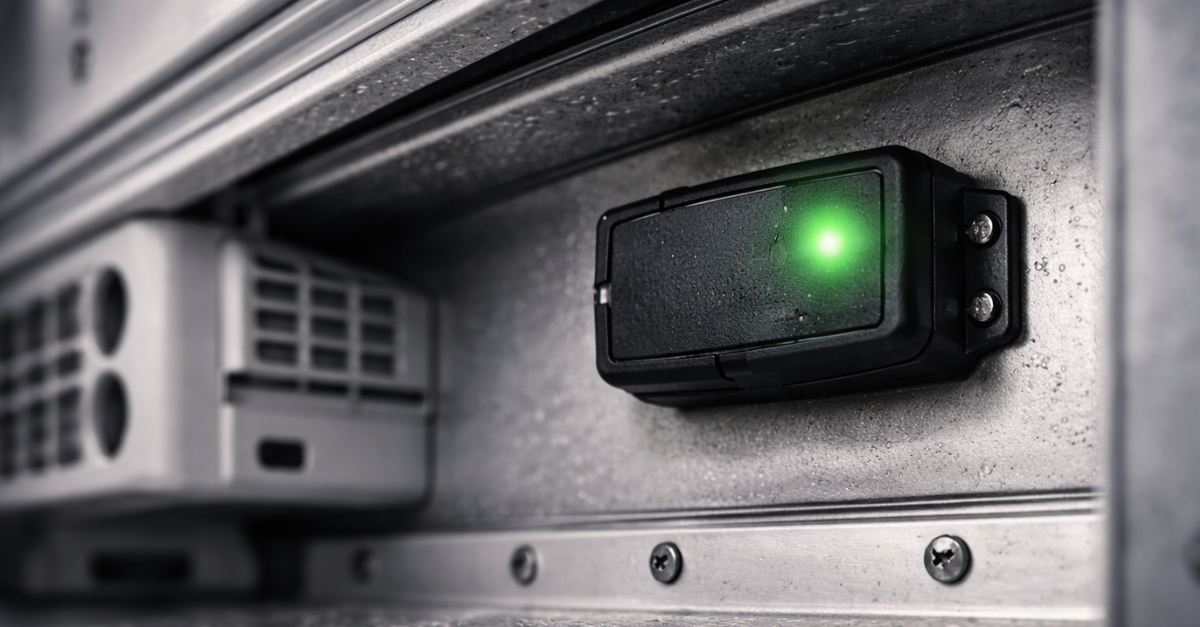
Battery-powered GPS asset tracking for cold chain environments allows organizations to monitor trailers, containers, and refrigeration units independently of tractor power. Combined with embedded environmental sensors, this creates a complete picture:
- Real time temperature monitoring
- Humidity tracking
- Door open and close detection
- Tilt and impact alerts
- Location visibility across yards and transit routes
Now, when a refrigeration unit fails, a door opens unexpectedly, or a trailer deviates from its route, your team receives immediate notification.
Awareness drives action. Action prevents loss.
Cold Chain Monitoring Solutions as an Insurance Strategy
Cold chain monitoring solutions are not just operational tools. They are financial safeguards.
Consider the economics of one compromised shipment of pharmaceuticals, specialty foods, or temperature-sensitive chemicals. The direct loss is obvious. The indirect costs are often larger:
- Rejected loads
- Insurance claims
- Disputes with partners
- Damaged customer trust
- Regulatory scrutiny
Real time temperature monitoring reduces these exposures. Detailed logs provide defensible documentation. Proactive alerts reduce the likelihood of total loss.
For many organizations, the investment in advanced cold chain monitoring solutions is minor compared to the cost of a single preventable event.
Prevention is not a technology decision. It is a risk management strategy.
The Hidden Vulnerability: Stationary Assets
Some of the greatest cold chain risks occur when assets are not moving.
Trailers parked overnight.
Containers staged at ports.
Refrigeration units waiting at event sites.
Rental cold storage equipment deployed in remote locations.
These environments are often outside the traditional fleet telematics framework. Yet they represent concentrated exposure.
GPS asset tracking for cold chain environments ensures visibility even when assets are detached, idle, or stored in long dwell situations. Battery-powered devices maintain monitoring without relying on external power sources.
When operations leaders can see what is happening in real time across yards and storage sites, they reduce both shrinkage and uncertainty.
Cold chain monitoring solutions must follow the asset, not just the route.
From Monitoring to Intervention
Data alone does not create control. Intelligent alerts do.
Effective cold chain monitoring solutions define thresholds and escalation protocols. When temperature begins to drift, your team receives notice before the threshold is breached. When a door remains open beyond an acceptable window, action can be taken immediately.
This shift from passive monitoring to active intervention changes response time dramatically.
Instead of discovering spoilage during unloading, teams address issues mid-transit. Instead of reacting to claims, they prevent them.
Control is built on speed.
Who Benefits Most From Advanced Cold Chain Monitoring Solutions
Cold chain monitoring solutions deliver value across multiple industries:
Food Distribution
Fresh and frozen goods require strict temperature ranges. Real time temperature monitoring protects quality and reduces rejected loads.
Pharmaceutical Logistics
Regulatory compliance and product integrity are non-negotiable. Continuous environmental monitoring strengthens defensibility and accountability.
Floral and Specialty Perishables
Margins are sensitive to spoilage. Asset-level intelligence reduces waste and protects revenue.
Event and Seasonal Operations
Temporary refrigeration deployments demand mobile visibility. GPS asset tracking for cold chain assets ensures accountability across locations.
Rental and Leasing Providers
Companies renting refrigeration trailers and cold storage units gain better asset utilization, reduced loss, and stronger customer oversight.
In each case, cold chain monitoring solutions move from being a compliance checkbox to a competitive advantage.
Beyond the Load: Protecting Brand and Trust
Cold chain failures are rarely publicized until they escalate.
However, in a connected world, news travels fast. A compromised pharmaceutical shipment or contaminated food batch can damage trust overnight.
Cold chain monitoring solutions reinforce brand protection by strengthening operational discipline. When customers know their goods are protected by real time temperature monitoring and comprehensive GPS asset tracking for cold chain operations, confidence increases.
Trust is built on consistency. Consistency is built on visibility.
Why Cold Chain Monitoring Solutions Must Extend Beyond the Truck
Many organizations assume that vehicle telematics equals cold chain visibility. It does not.
Cold chain monitoring solutions must function across:
- In-transit operations
- Yard storage
- Cross-dock facilities
- Long-term staging areas
- Remote deployment sites
Transportation itself operates within a structured regulatory framework. Oversight from agencies like the Federal Motor Carrier Safety Administration (FMCSA) adds another layer of accountability across interstate movement. While Hours of Service regulations focus on driver safety, they also reinforce how tightly controlled transportation environments must be. Cold chain monitoring solutions that align with this broader compliance landscape strengthen operational discipline across the entire journey.
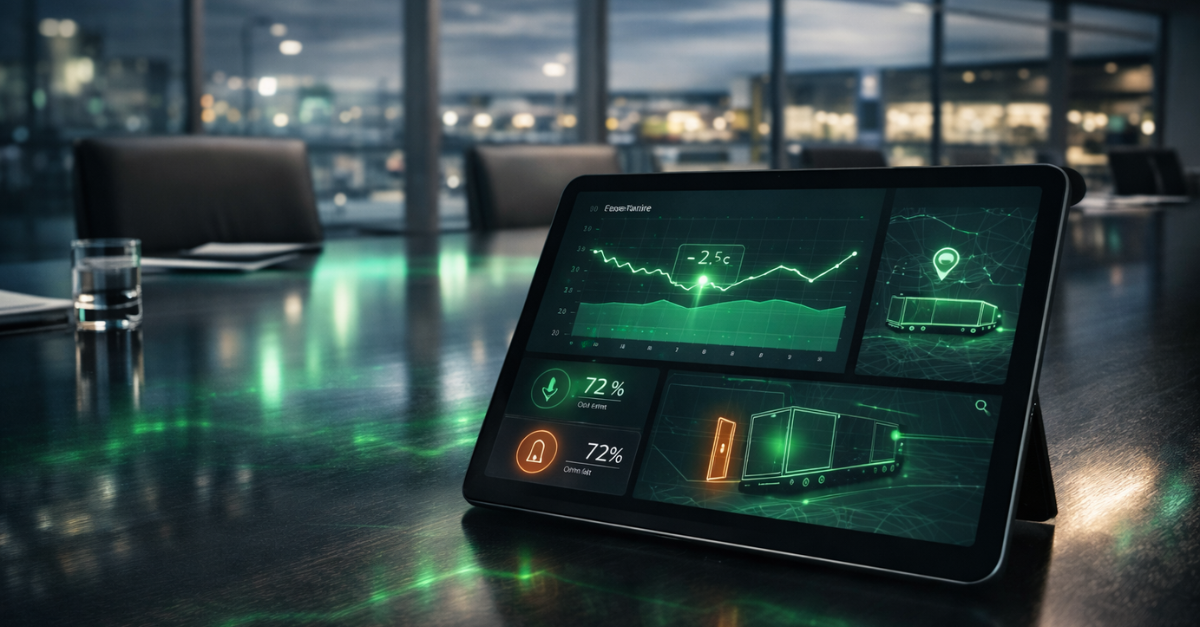
When visibility spans the entire lifecycle of the asset, teams eliminate blind spots. Unified dashboards replace fragmented systems. Decision-making becomes faster and more informed.
The goal is not more data. The goal is clarity.
Clarity reduces risk. Clarity protects revenue. Clarity builds resilience.
The Companies That Win See First
Cold chain logistics is not becoming simpler. Expectations are rising. Regulatory pressure continues. Margins remain tight.
In this environment, organizations cannot afford delayed awareness.
Cold chain monitoring solutions that combine real time temperature monitoring with GPS asset tracking for cold chain environments give leaders something powerful: early visibility.
When you see first, you act first.
When you act first, you prevent loss.
When you prevent loss, you protect more than products. You protect the economics of your operation.
If your current strategy focuses only on documentation, it may be time to rethink what control looks like.