
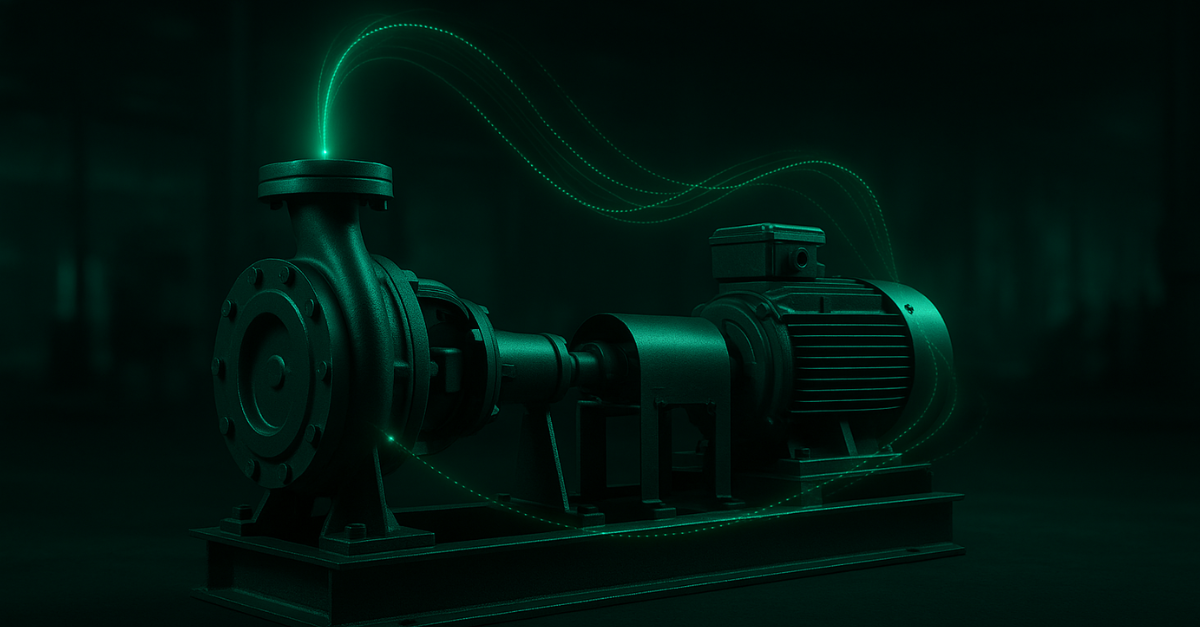
Problems rarely start with something you can see on a map. They begin quietly. A temperature spike. A door left open. A vibration pattern that hints at tampering. A small shift in a machine that signals instability. These early signs are almost invisible, yet they decide the future health of an asset long before anyone notices something is wrong.
Most organizations still depend on location to understand their operations. They believe knowing where an asset is will help keep it safe. Yet location only tells you the present. It does not tell you what happened before. It does not tell you what is happening inside the asset right now. It does not tell you what risk is building quietly in the background.
The real advantage comes from understanding the health of an asset. This is where condition data for asset tracking becomes essential. It provides the signals that reveal risk before it grows. It uncovers the activity that stays hidden until it becomes a costly problem. It transforms simple visibility into real operational intelligence.
The Blind Spot in Traditional Tracking
Most tracking platforms were built on a single promise. They would show the location of an asset on a map. That promise still matters, but it is no longer enough for companies that depend on uptime, security, and predictable operations.
Traditional GPS solutions focus almost entirely on coordinates. They show where something is and create alerts if it moves unexpectedly. That information is helpful, but it does not explain why an issue is happening. It does not explain how an asset is being treated. It does not reveal environmental stress that can damage equipment or sensitive cargo.
This is the blind spot. Location alone creates a false feeling of certainty. It makes you believe you are in control, while the real problems remain invisible.
Condition data for asset tracking closes this gap. It exposes the factors that create early warnings. It provides visibility into the small changes that lead to bigger failures. It helps organizations address problems before they happen.
The Health Signals That Decide Everything
Assets communicate more than people realize. They send signals about their condition every minute of the day. When these signals are monitored, organizations gain a clear picture of risk, performance, and security.
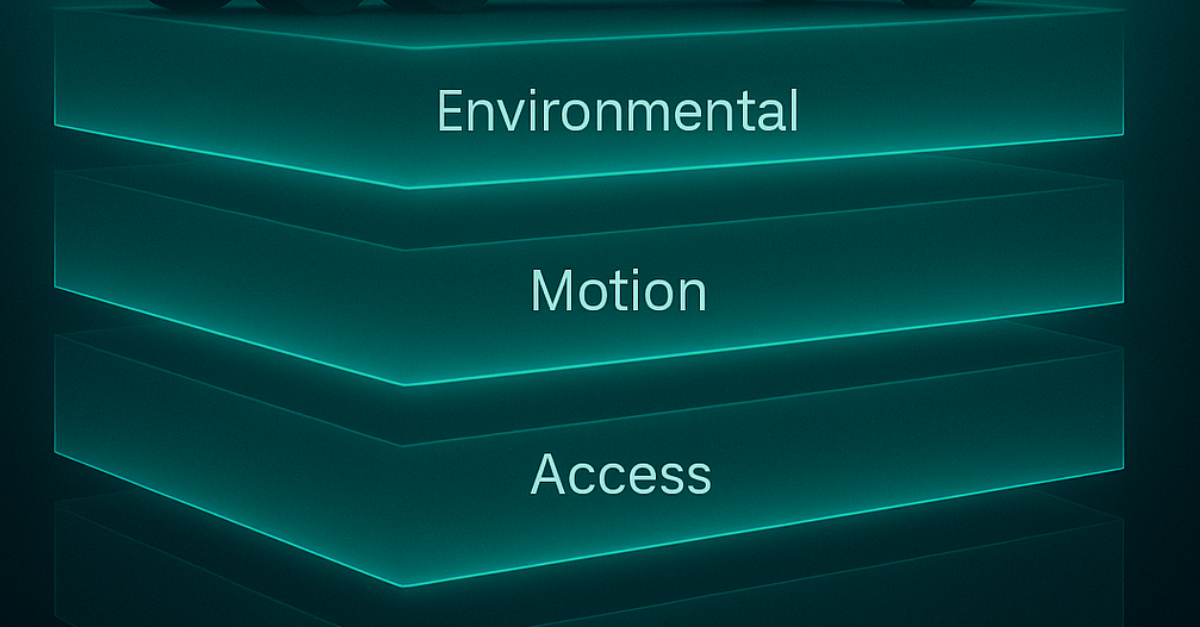
Environmental Conditions
Temperature, humidity, internal climate, and exposure create the earliest warnings.
Examples include:
- A rising temperature inside equipment that indicates stress
- Humidity that can damage electronics
- Heat spikes that show a potential threat
- Cold exposure that affects batteries or sensitive materials
Environmental data offers insight into risk long before location changes.
Tilt and Motion Behavior
Tilt detection and micro movement patterns reveal handling issues, misuse, or tampering.
Examples include:
- A machine that tips slightly during loading
- A stationary asset that experiences subtle shake patterns
- A container that shifts without any authorized activity
Tilt data exposes what the eye cannot see.
Door and Access Activity
Access patterns offer clarity about security and workflow.
Examples include:
- An unauthorized door opening
- A delivery that is delayed because the asset was not accessed on time
- A service event that happened without a corresponding work order
Door activity provides a timeline of truth.
Micro Patterns and Anomalies
These are the most valuable signals. They reveal changes that would normally go unnoticed.
Examples include:
- Slight differences in vibration
- A small increase in average temperature
- Irregular access timing
Condition data for asset tracking captures these details and turns them into insight.
Why Condition Data Protects Value Better Than Location
Location tells you where a problem exists. Condition data tells you when it begins. This distinction creates the difference between prevention and recovery.
If a machine overheats, the damage is already happening.
If tilt sensors show instability, misuse has already started.
If door activity is out of pattern, the threat is already underway.
Condition data gives you the chance to respond early. It helps you prevent downtime. It helps you avoid financial loss. It strengthens security by detecting tampering before theft occurs. It increases customer satisfaction because you can catch issues before they affect service.
This is the real value of condition data for asset tracking. It protects the things that matter most.
The Cost of Not Knowing
Organizations often underestimate the financial impact of hidden problems. The most expensive issues are the ones that build silently. They grow over hours, days, or weeks without anyone noticing.
The cost of not knowing includes:
- Avoidable breakdowns
- Extended downtime
- Missed service windows
- damaged inventory
- Lost revenue
- Customer dissatisfaction
- Increased repair costs
Early detection is always cheaper than late discovery.
The Compounding Value of Early Detection
Condition data does more than prevent loss. It reshapes operational performance. When companies detect anomalies early, the benefits multiply over time.
Examples include:
- Less time spent diagnosing issues
- More consistent service delivery
- Reduced calls from customers asking about problems
- Better forecasting and planning
- A clear picture of asset health over its entire lifecycle
Small signals create large advantages. This is why condition data for asset tracking becomes a long term competitive strength.
Technology That Thinks Ahead
Sensors alone are not enough. The real advantage comes from the intelligence behind them. This includes:
- Smart alert rules
- Context driven thresholds
- Correlated data from multiple sensors
- Insight that shows how one condition affects another
This is the difference between data and clarity. HoloTrak focuses on delivering the clarity that drives faster decisions. The system highlights the events that matter, filters out noise, and helps teams act the moment risk begins.
Confidence as a Competitive Advantage
Customers do not want guesses. They want certainty.
They want to know:
- Was the asset secure
- Was it exposed to risk
- Was it handled correctly
- Was it operational before delivery
- Was it protected during storage or transit
This level of confidence does not come from location alone. It comes from condition data for asset tracking. It offers proof, not assumptions. It shows the complete story, not just the endpoint.
Redefining the Future of Asset Intelligence
The next generation of asset visibility will not be defined by dots on screens. It will be defined by health signals, early warnings, and predictive insight. Condition data will guide decisions about maintenance, risk, security, and customer communication.
The companies that embrace this shift will operate with fewer surprises and more control. They will understand the story behind every asset, not just the coordinates.
The Real Story Lives in the Signals You Cannot See
Assets fail quietly before they fail visibly.
Condition data is the only way to reveal the truth early enough to act.
It protects uptime.
It prevents loss.
It builds trust.
The real value of tracking is not found in location alone. It is found in the invisible signals that reveal what is happening long before anything breaks.
Condition data for asset tracking is the future. It is where clarity replaces guesswork and awareness becomes a strategic advantage. Contact HoloTrak today to get started!