

Every organization tracks something.
Revenue.
Inventory.
Customer activity.
Operational performance.
Yet many businesses still allow large portions of their physical operations to function without awareness of what is happening in the field.
Equipment moves.
Assets sit idle.
Infrastructure changes locations.
And no signal is generated.
When assets go quiet, businesses lose more than visibility. They lose control of time, efficiency, and operational certainty. This is where real-time asset visibility becomes essential. It transforms physical operations from guesswork into informed decision making.
The Silent Gap in Modern Operations
Most companies believe they have a clear picture of their operations. Digital systems track orders, shipments, inventory levels, and production schedules. These tools provide a structured view of the business.
The challenge appears when physical assets move beyond controlled environments.
Trailers sit in overflow yards.
Equipment waits at temporary sites.
Containers stage between shipments.
Specialized tools rotate between locations.
Once assets enter these environments, they often disappear from digital awareness. Teams assume everything remains where it should be.
Until something changes.
Without real-time asset visibility, these assets operate silently. They move without notification, remain idle without awareness, and sometimes disappear from the operational picture entirely.
Silence Creates Expensive Assumptions
Operational leaders rely on assumptions when visibility disappears.
A trailer is assumed to still be in the yard.
A generator is assumed to still be on the job site.
A container is assumed to still be waiting in the staging area.
These assumptions rarely get challenged until someone needs the asset.
That moment reveals the problem.
Teams begin searching locations. Calls are made to drivers, supervisors, or operators. Employees spend time walking yards and facilities looking for something that should already be known.
The cost is not just the time spent searching. It is the operational disruption that follows.
Organizations without real-time asset visibility often discover how fragile their processes are when assets stop communicating their location.
Why Real-Time Asset Visibility Is Becoming Essential
Operations today move faster than ever.
Projects run on tighter schedules. Equipment rotates across multiple locations. Assets travel between facilities, job sites, and staging areas in rapid cycles.
Without real-time asset visibility, these movements remain invisible to operational systems.
This lack of awareness creates friction. Teams lose time trying to locate assets. Projects experience delays because equipment cannot be found quickly. Businesses invest in additional equipment simply because they cannot verify where existing assets are located.
Real-time awareness eliminates these problems by providing immediate insight into asset location and movement.
Instead of searching, teams can simply look.
Instead of guessing, they can act with confidence.
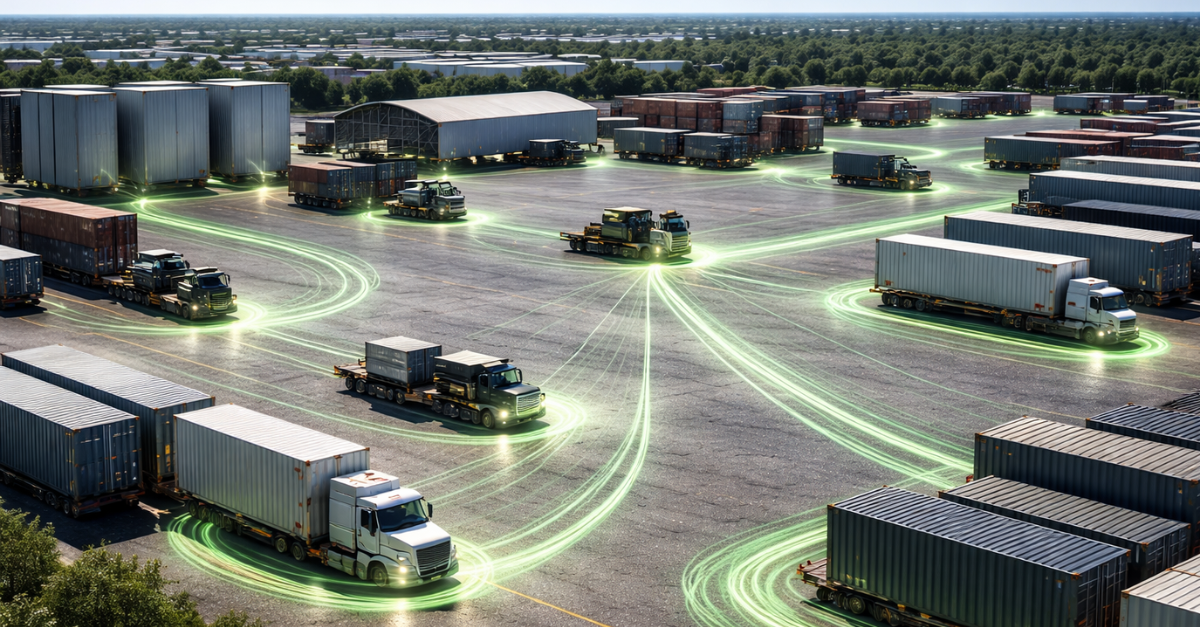
The Value of a Simple Signal
In many operations, the most valuable piece of information is the simplest.
A signal that an asset has moved.
A signal that an asset crossed a boundary.
A signal that equipment has arrived or departed.
These signals convert physical assets into observable components of the business.
Through real-time asset visibility, organizations receive updates when meaningful changes occur. Operations teams no longer rely on periodic checks or manual reporting.
Instead, they gain immediate awareness when movement happens.
That awareness allows organizations to react quickly, maintain control of valuable equipment, and keep operations running smoothly.
Turning Movement Into Operational Intelligence
When companies introduce real-time asset visibility, they often expect improvements in location awareness or security. What many discover is a deeper operational benefit.
Asset data begins revealing patterns.
Which equipment moves most frequently.
Where assets remain idle the longest.
How often equipment transitions between locations.
Which assets are underutilized.
These insights can influence purchasing decisions, asset allocation, and operational planning.
Companies frequently discover that some equipment is rarely used while other assets are constantly redeployed. With visibility into these patterns, leaders can make smarter decisions about resource distribution.
Real-time asset visibility does more than track assets. It reveals how assets support the business.
The Financial Impact of Operating Without Visibility
When assets operate without signals, the financial impact accumulates gradually.
Employees spend time searching for equipment.
Duplicate purchases occur because existing assets cannot be located quickly.
Temporary rentals fill unexpected operational gaps.
Projects experience delays due to missing infrastructure.
Individually, these problems may seem manageable. Together, they represent a steady drain on productivity and capital.
Organizations that implement real-time asset visibility often discover that restoring awareness eliminates many of these inefficiencies. When teams know where assets are located and how they move, operational friction begins to disappear.
Visibility removes uncertainty.
And uncertainty is often one of the most expensive variables in business operations.
Building Operations That Never Go Quiet
Forward thinking organizations are shifting their focus toward operational awareness.
The goal is simple. Valuable assets should never operate without generating signals that confirm their location and activity.
With real-time asset visibility, businesses connect physical assets to the digital systems that manage their operations. Equipment, containers, trailers, and infrastructure become visible within the operational ecosystem.
This awareness allows teams to detect movement immediately, respond quickly to unexpected changes, and maintain control of valuable resources across locations.
Assets that once operated silently begin contributing data that improves decision making.
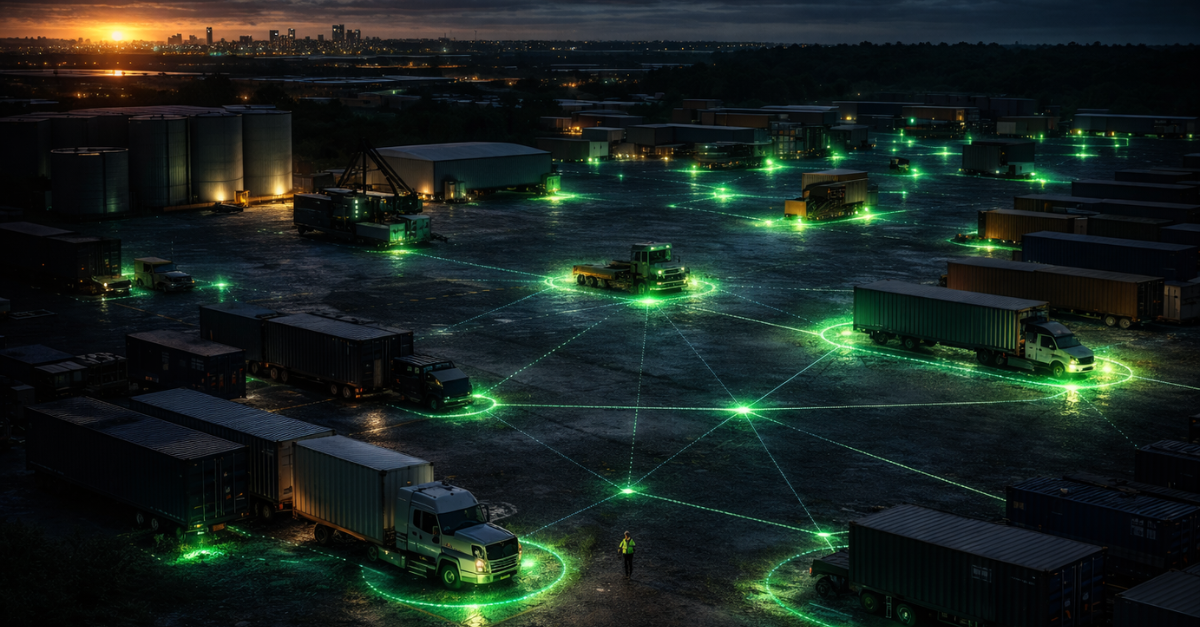
When Assets Start Speaking Again
Many operational problems begin quietly.
Assets move without notice.
Equipment sits unused without awareness.
Infrastructure disappears from the operational picture.
When assets go quiet, organizations lose more than visibility. They lose the ability to respond quickly, plan effectively, and operate with confidence.
Real-time asset visibility restores the signals that modern operations depend on. It ensures that valuable assets are always connected to the systems and teams responsible for managing them.
The companies that lead tomorrow will not be those reacting after problems appear. They will be the ones building operations where assets never operate in silence.
Ready to Bring Real-Time Asset Visibility to Your Operations?
If your organization relies on trailers, containers, equipment, infrastructure, or other valuable assets across multiple locations, it may be time to eliminate the quiet gaps in your operations.
HoloTrak works with businesses to deploy real-time asset visibility solutions that provide location awareness, movement alerts, and operational insights across critical assets.