
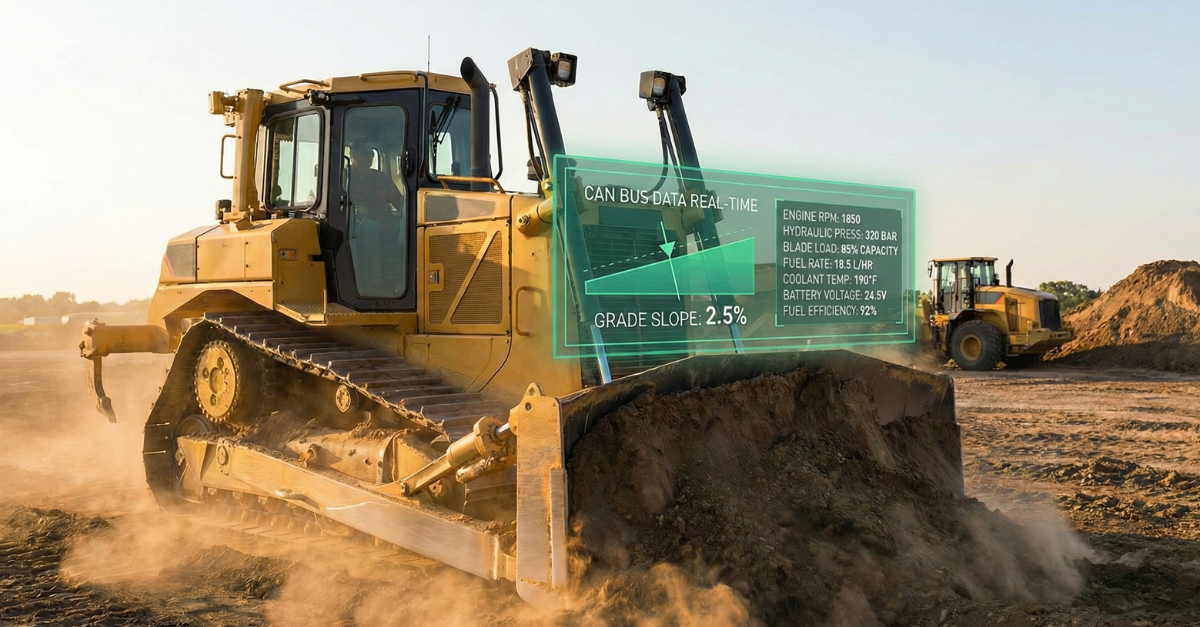
The image of heavy industry has long been defined by sheer horsepower, diesel fumes, and the raw ability to move earth. For decades, success in construction, agriculture, and mining relied almost exclusively on the durability of the iron and the skill of the operator. However, a fundamental shift is occurring across job sites worldwide. We are witnessing the digital transformation of “heavy metal.”
At HoloTrak, we see this evolution every day. The machinery that builds our cities and harvests our crops is becoming smarter, more connected, and incredibly data-rich. Recent market analysis confirms what we have observed on the ground. The off-highway vehicle (OHV) telematics market is not merely growing. It is exploding.
Projections indicate the market will surge from a valuation of $1.71 billion in 2024 to an impressive $2.67 billion by 2029. This growth represents a compound annual growth rate (CAGR) of over 9 percent. While the numbers are significant, the story behind them is even more compelling. We are moving from an era of simple asset tracking to an era of total operational intelligence.
The Forces Driving the Digital Pivot
Why is this surge happening now? The heavy equipment sector has historically been slower to adopt digital technologies compared to on-highway logistics. That resistance is vanishing rapidly due to a convergence of urgent needs.
- The Safety Imperative
Safety remains the single most critical factor driving telematics adoption. As operational volumes increase, so do the risks associated with heavy machinery. Disturbing data released in May 2025 by the Consumer Federation of America highlights this reality. Fatalities connected to off-highway vehicles in the United States climbed from 498 in 2023 to 632 by early 2024.
These are not just statistics. They represent a clear call to action for fleet managers and site operators. Telematics solutions are evolving into vital safety nets. Modern systems provide real-time alerts, rollover detection, and geofencing capabilities that ensure machines only operate where and when they are supposed to. For HoloTrak, the goal is clear. We believe technology must serve as the first line of defense in protecting the workforce.
- The Efficiency Equation
The second driver is economic pressure. Margins in construction and mining are notoriously tight. Fuel costs fluctuate, and equipment downtime can derail project timelines instantly. The industry is realizing that the “run it until it breaks” mentality is financially unsustainable.
Market analysis suggests that the demand for immediate data insights is reshaping procurement strategies. Fleet managers no longer just want to know where a machine is located. They need to know how much fuel it is burning, its idle time versus active time, and its engine health. This granular level of data allows for micro-adjustments that compound into macro-savings.
Technological Frontiers: What Is Under the Hood?
The rapid expansion of the OHV telematics market is being fueled by sophisticated technological advancements. We are moving far beyond the days of simple GPS dots on a map. The new standard involves a complex ecosystem of connectivity.
Cloud and Edge Computing
One of the most significant trends is the integration of cloud platforms and edge computing. In the past, data had to be physically downloaded from a machine or sent in batches. Today, we see seamless, direct-to-cloud communication.
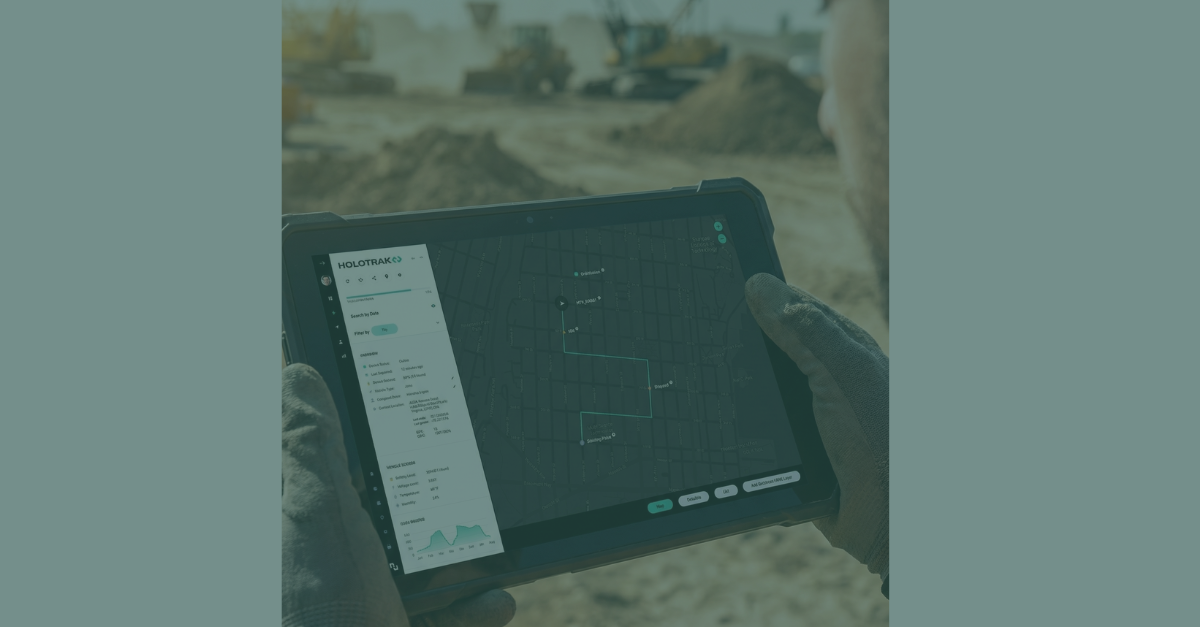
Major industry players are introducing modular telematics systems specifically for agricultural and construction equipment. These systems allow machines to transmit live performance metrics directly to management applications. This means a farm manager can analyze hydrocarbon usage or a construction superintendent can review load weights in real-time, without being near the machine. This shift to cloud-based infrastructure simplifies administration and creates a unified oversight mechanism that was previously impossible.
The Rise of Predictive Maintenance
Artificial intelligence is changing how we approach repairs. The report forecasts a heavy investment in predictive maintenance software through 2029. This is a game-changer for fleet reliability.
Traditional maintenance is reactive. A part fails, the machine stops, and work halts. Preventive maintenance is schedule-based, meaning you might replace parts that still have life left in them. Predictive maintenance is different. It uses algorithms to analyze vibration, temperature, and usage patterns to predict a failure before it happens.
For a HoloTrak client, this means receiving an alert that a hydraulic pump is showing signs of stress two weeks before it actually fails. Parts can be ordered, and repairs can be scheduled during non-operational hours. The result is a drastic reduction in unplanned downtime.
Sector Spotlight: Tailored Disruption
While the technology is universal, its application varies significantly across different verticals. The unique demands of each sector are shaping the features of next-generation telematics.
Intelligent Construction
In the construction sector, government encouragement for “smart cities” and intelligent infrastructure is a major tailwind. Telematics systems here are increasingly focused on utilization and project management.
On a busy job site, knowing that an excavator is idling for 40 percent of the day signals a workflow bottleneck. Construction firms are using this data to right-size their fleets. They are renting fewer machines but utilizing them more intensely. The integration of IoT allows these machines to communicate with site infrastructure, paving the way for semi-autonomous operations in controlled environments.
Precision Agriculture
Agriculture is perhaps the most sophisticated user of data. The modern tractor is effectively a mobile data center. Farmers are using telematics to track not just the vehicle, but the application of resources.
Recent innovations allow for the automated flow of job-related records. This helps regulatory adherence and refines asset deployment. If a combine harvester can automatically log its path and yield data to the cloud, the farmer saves hours of manual paperwork. The focus here is on “Precision Farming,” where every drop of fuel and every seed planted is tracked and optimized.
Mining in Rugged Terrain
Mining operations face the harshest environments. Here, the durability of hardware is paramount. The market is seeing a rise in demand for ruggedized sensors and satellite connectivity, as cellular networks are often unavailable in remote extraction zones.
For mining, telematics is about remote monitoring. Sending a technician to a remote site is expensive and dangerous. Being able to diagnose an engine fault code from a headquarters hundreds of miles away saves massive amounts of time and money.
The Future Landscape: 2025 to 2029
As we look toward the 2029 horizon, the trajectory of the market points to even greater integration. The projected market value of $2.67 billion is not just about selling more hardware. It is about the value of the software and services layers.
The Autonomous Horizon
We are inching closer to fully autonomous heavy machinery. Telematics is the foundational layer for this future. You cannot have a self-driving bulldozer without a robust, low-latency connection to a central control system. The current investments in vehicle-to-cloud communication are effectively laying the digital tracks for the autonomous robots of tomorrow.
Regional Shifts
While North America currently holds the largest share of the market, largely due to early adoption and strict regulatory environments, the landscape is shifting. The Asia-Pacific region is expected to be the fastest-growing market in the forecast period.
Rapid infrastructure development in emerging economies is driving the demand for efficient construction equipment. For global fleets, this means standardization will become key. Companies will want a single telematics solution that works as well in Wyoming as it does in Western Australia.
Sustainability and Compliance
Finally, we cannot ignore the environmental aspect. Tighter emission regulations are a global reality. Telematics provides the verifiable data needed to prove compliance. Whether it is tracking CO2 emissions per project or ensuring that Tier 4 engines are running cleanly, data is the new proof of compliance. We expect sustainability reporting to become a standard feature in all premium telematics dashboards within the next three years.
The Data-Driven Jobsite
The off-highway vehicle industry is at an inflection point. The robust growth predicted for the next five years confirms that telematics is no longer a luxury add-on. It is standard equipment for the modern fleet.
At HoloTrak, we believe that the companies that will thrive in 2029 are the ones that start treating their data as an asset today. It is about moving from managing machines to managing information.
The gap between the leaders and the laggards is widening. The leaders are those who use data to protect their workers, optimize their fuel spend, and predict their maintenance needs. The laggards are those who still view telematics as just a dot on a map.
As the market marches toward that $2.67 billion valuation, the question for fleet owners is simple. Is your fleet speaking the language of the future?