
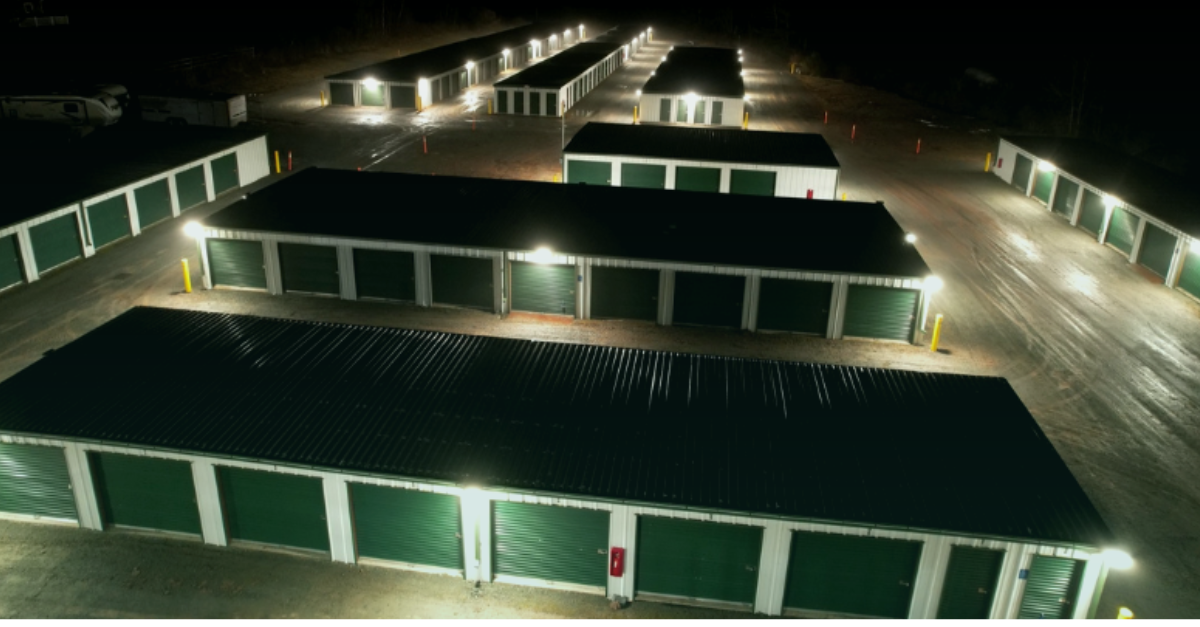
At the end of the day, operations shut down. Employees leave, gates close, and facilities go quiet. From the outside, it looks like everything has stopped.
However, your risk has not.
In many cases, the hours after everyone goes home are when your assets are most exposed. This is not because something is guaranteed to happen, but because no one is there to notice if it does.
Nighttime is not inactive. It is simply unwatched.
Why Most Businesses Feel Secure After Hours
Most organizations believe their assets are protected overnight. Locks are in place, cameras are installed, and access points are closed.
As a result, there is a strong sense of control.
However, most of these measures are passive. They capture what happens, but they do not influence the outcome while it is happening.
Because of this, many incidents are not discovered until the next morning. By then, the damage is already done and the opportunity to respond has passed.
Security that only records events does not prevent them.
Where Nighttime Asset Security Breaks Down
The biggest risks are not always obvious. Instead, they tend to exist in environments that were never designed with security in mind.
Yards and Storage Lots
Large outdoor areas often have multiple access points and limited visibility. In addition, assets remain stationary for long periods, which makes it difficult to detect movement or tampering in real time.
Temporary Staging Areas
Overflow locations and short-term storage spaces are often set up quickly. Therefore, security is rarely part of the initial plan. This leaves valuable assets exposed without anyone realizing it.
Mobile and Pop-Up Operations
Mobile clinics, trailers, and temporary service units are critical to operations. At the same time, they are frequently left unattended in locations without reliable infrastructure or monitoring.
Storage Units and Equipment Sheds
This is one of the most overlooked areas of nighttime asset security.
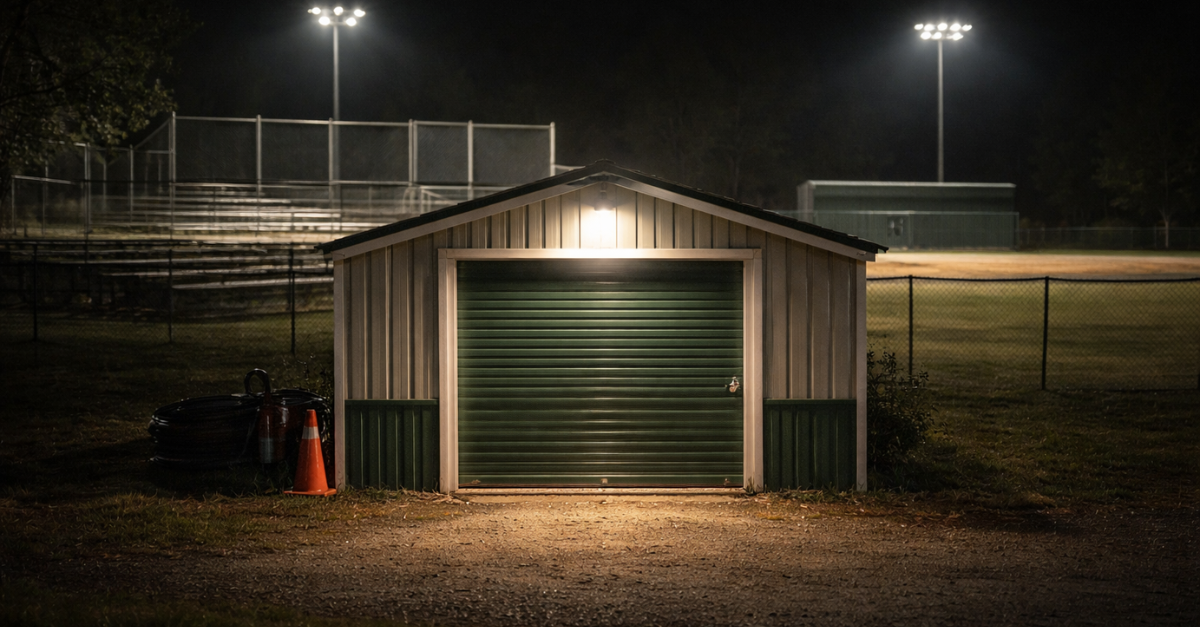
Storage sheds behind recreational facilities, school athletic fields, and maintenance areas are broken into far more often than most people realize. These structures often contain valuable equipment, yet they rarely have any form of active protection.
In many cases, there are no alarms or alerts in place. Not because the risk is low, but because organizations have never considered that these spaces can be monitored in the first place.
What Actually Happens Overnight
Most incidents do not begin with a major event. Instead, they start with small, subtle changes that go unnoticed.
For example, a door may be opened briefly. A lock may be tested. An asset may be moved slightly.
At first, these actions may not seem significant. However, over time they often lead to larger issues. Unauthorized access becomes easier, and the likelihood of loss increases.
By the time the problem is discovered, the moment that mattered has already passed.
The Visibility Gap
The core issue is not a lack of security tools. Rather, it is a lack of real-time awareness.
After hours, there is often no one actively monitoring activity. In some cases, alerts do not exist. In others, they are not seen in time to take action.
As a result, response is delayed.
If no one sees something happen when it occurs, the ability to respond effectively is lost. This gap between event and awareness is where most losses occur.
Shifting from Passive Security to Active Awareness
To improve nighttime asset security, organizations need to move beyond passive systems.
The goal is not just to record events. Instead, it is to recognize them as they happen.
This includes detecting unexpected movement, access, or environmental changes in real time. It also means ensuring that these signals lead to immediate awareness rather than delayed discovery.
The Role of a Digital Night Watch
Traditionally, after-hours security relied on physical presence. Guards would patrol locations and check for issues.
However, this approach does not scale well across multiple sites or remote environments.
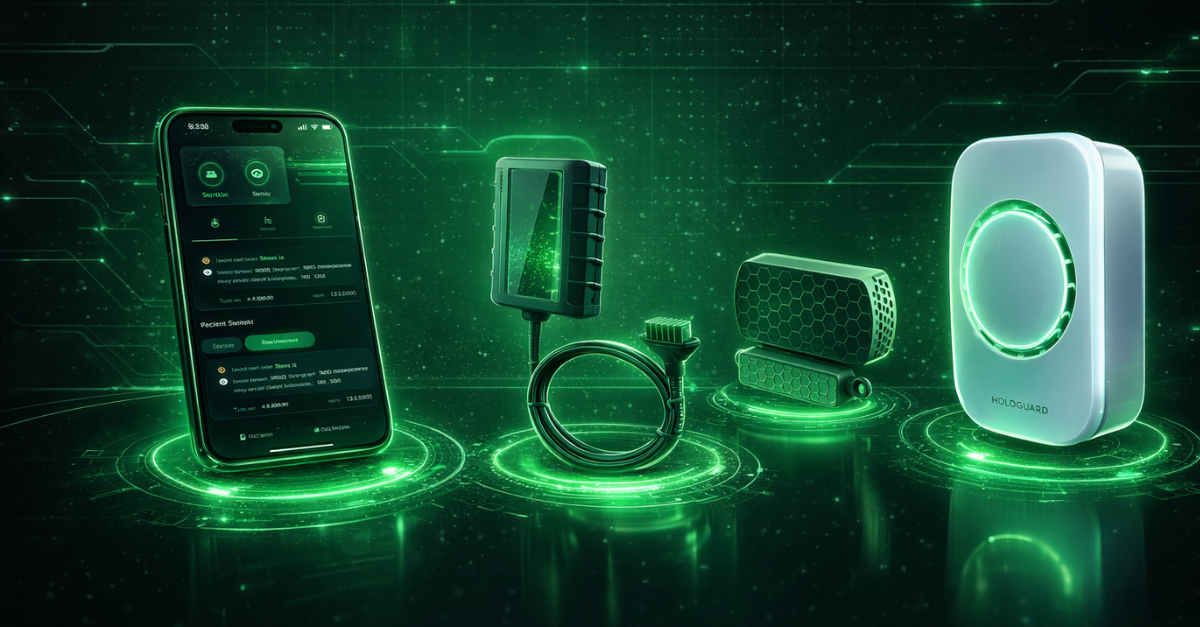
A more effective approach is to create a continuous layer of visibility that operates regardless of location or time. This can be thought of as a digital night watch.
Instead of relying on someone to be physically present, organizations can monitor activity remotely and receive alerts when something changes. As a result, they gain visibility into environments that were previously silent.
Why Awareness Alone Is Not Enough
Real-time alerts are important, but they are only part of the solution.
What matters most is what happens next.
Organizations need the ability to verify what is happening and take action quickly. Otherwise, alerts can become noise and lose their effectiveness.
In many cases, the difference between a minor issue and a major loss comes down to how quickly a response can occur.
Rethinking “Closed for the Day”
Many businesses assume that risk decreases when operations stop.
In reality, the opposite is often true.
Assets remain in place, but oversight disappears. This creates a window of vulnerability that can be exploited.
The areas that are most at risk are often the ones that receive the least attention. Small structures, temporary locations, and mobile units are easy to overlook, yet they often hold valuable equipment.
The Hours That Define Control
The hours after everyone goes home play a larger role in asset protection than most organizations realize.
Nighttime asset security is not about adding more locks or cameras. It is about creating awareness when no one is present.
When businesses understand what happens during these unseen hours, they can take steps to reduce risk and improve control.
What happens overnight is not random.
It is simply unwatched.
Get Ahead of What Happens After Hours
If your assets are left unattended overnight, the question is not whether you have security in place. The question is whether you have visibility when it matters most.
At HoloTrak, we work with organizations to extend awareness beyond operating hours. This includes mobile units, storage areas, temporary locations, and the spaces most systems overlook.