
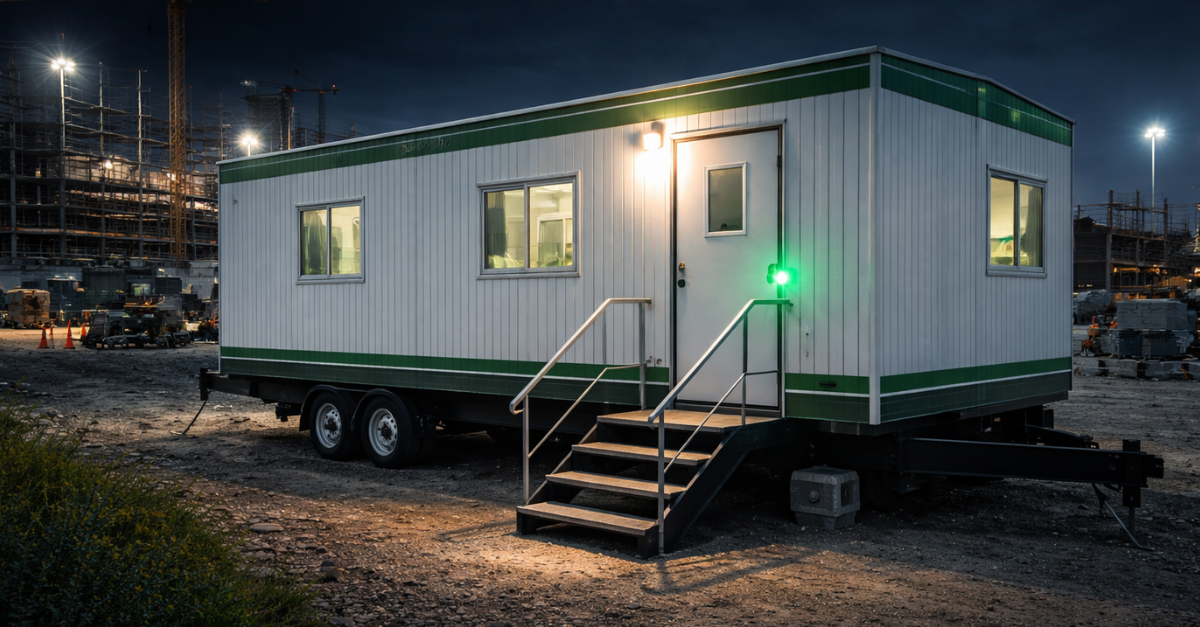
The False Confidence of locked and secured. . .
Everything was locked. Everything was in place. And it still happened.
That is how most incidents begin. Not with chaos, but with confidence.
For decades, security has been defined by what stands in the way. Locks. Fences. Cameras. Physical barriers designed to stop something from happening. And when nothing happens, we assume those barriers worked.
But here is the uncomfortable truth. Many incidents do not begin with a break. They begin with a signal that no one noticed.
A door that opened at the wrong time. A unit that moved slightly out of place. A moment of tampering that did not look urgent until it was too late.
The problem is not that security fails. The problem is that it was never designed to understand behavior.
When Security Meant Standing Still
Traditional security systems were built for a different world.
Assets stayed in one place. Facilities had defined perimeters. Threats were visible and often slow. In that environment, physical barriers made sense.
A lock created resistance. A fence defined a boundary. A camera recorded what happened.
Each of these tools played a role. But they shared a common limitation. They were passive.
They did not interpret. They did not respond. They did not adapt.
They simply existed and waited.
That model worked when assets stayed still and risk approached in predictable ways. But that is no longer the world most businesses operate in today.
Your Assets Move. Risk Moves With Them
Today, assets move constantly.
They sit in different locations. They operate in temporary environments. They remain unattended for long periods. They shift between controlled and uncontrolled spaces.
Security, however, often remains fixed.
This creates a gap that is rarely discussed. Static systems protecting dynamic assets.
And within that gap, risk begins to take shape.
Most modern incidents do not start with forced entry. They start with behavior that looks harmless at first.
A door opens slightly longer than expected. Equipment shifts outside normal hours. Power drops briefly. Movement occurs where there should be none.
Each of these moments represents a signal. Not an outcome, but a warning.
The issue is not that these signals do not exist. It is that most systems are not designed to recognize their meaning.
Seeing Something Is Not the Same as Understanding It
Many companies believe they already have visibility.
They have cameras. They have tracking systems. They have alerts.
But visibility alone does not create security.
Cameras record what happens. Tracking devices show where something is. Alerts notify when a threshold is crossed.
Yet none of these systems answer the most important question.
Does this matter right now?
That is where the gap exists.
Data is everywhere. Interpretation is not.
Without interpretation, signals become noise. And when everything looks like noise, the important moments get lost.
This is why so many incidents feel unexpected. Not because there were no signs, but because no system connected them in a way that triggered action.
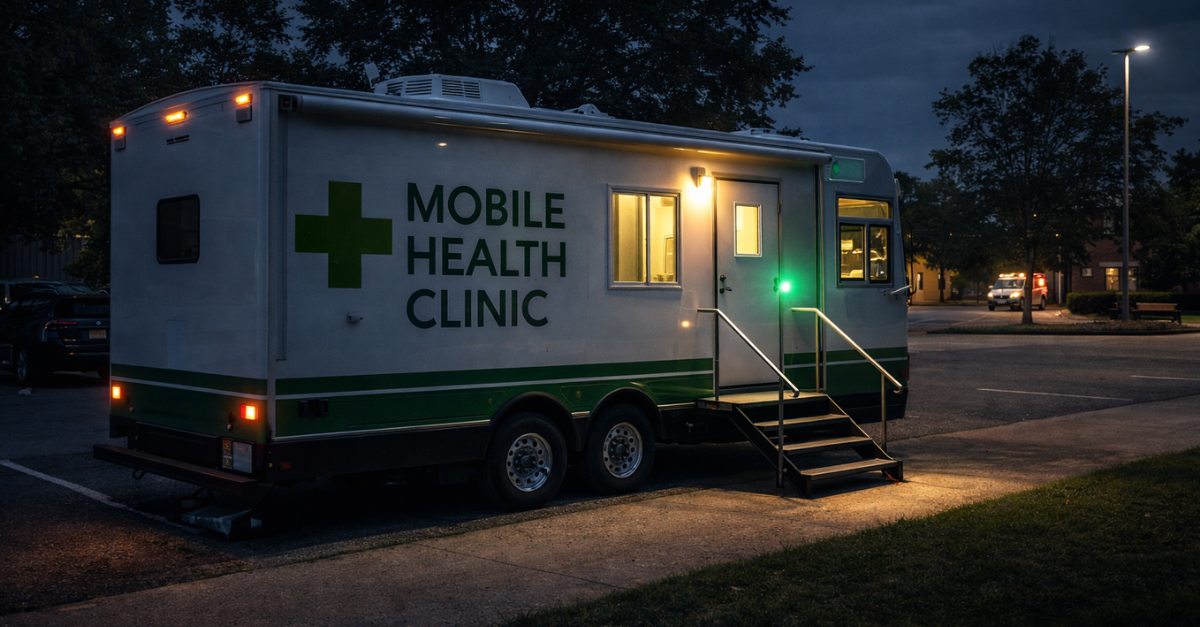
Behavior Is the New Perimeter
Security is no longer defined by physical boundaries. It is defined by expected behavior.
What should happen. When it should happen. Where it should happen.
And more importantly, what should not happen.
When you shift the focus from barriers to behavior, something changes.
The perimeter becomes dynamic.
It moves with the asset. It adapts to context. It responds to patterns instead of waiting for a breach.
Movement outside a defined zone becomes a signal. Vibration where there should be none becomes a signal. Access at the wrong time becomes a signal.
Each of these moments forms a new kind of perimeter. One that does not rely on walls or locks, but on understanding what is normal and what is not.
This is the foundation of behavioral security for mobile assets.
Why Timing Changes Everything
The difference between knowing and acting often comes down to time.
In traditional systems, the timeline looks familiar.
An event occurs. Data is recorded. Someone reviews it later. The outcome is already decided.
In a behavioral model, the timeline shifts.
An event occurs. The system recognizes abnormal behavior. It interprets the signal. It triggers a response.
That shift compresses time. And when time compresses, outcomes change.
Instead of reacting after the fact, organizations gain the ability to intervene during the moment that matters.
Alerts reach the right people immediately. Escalation ensures nothing gets ignored. Actions can be taken before a situation fully develops.
Security becomes active.
And active systems change results.
Not Another Device. A System That Thinks in Context
This is where most conversations about security go in the wrong direction.
They focus on devices.
Another camera. Another tracker. Another piece of hardware.
But devices alone do not solve the problem. They only generate more data.
What matters is the system that connects signals, context, and response.
A system that understands when behavior deviates from normal. A system that alerts with purpose, not volume. A system that escalates when needed and stays quiet when it should.
This is what a behavioral security layer looks like.
It is not about watching more. It is about understanding faster.
That is the difference.
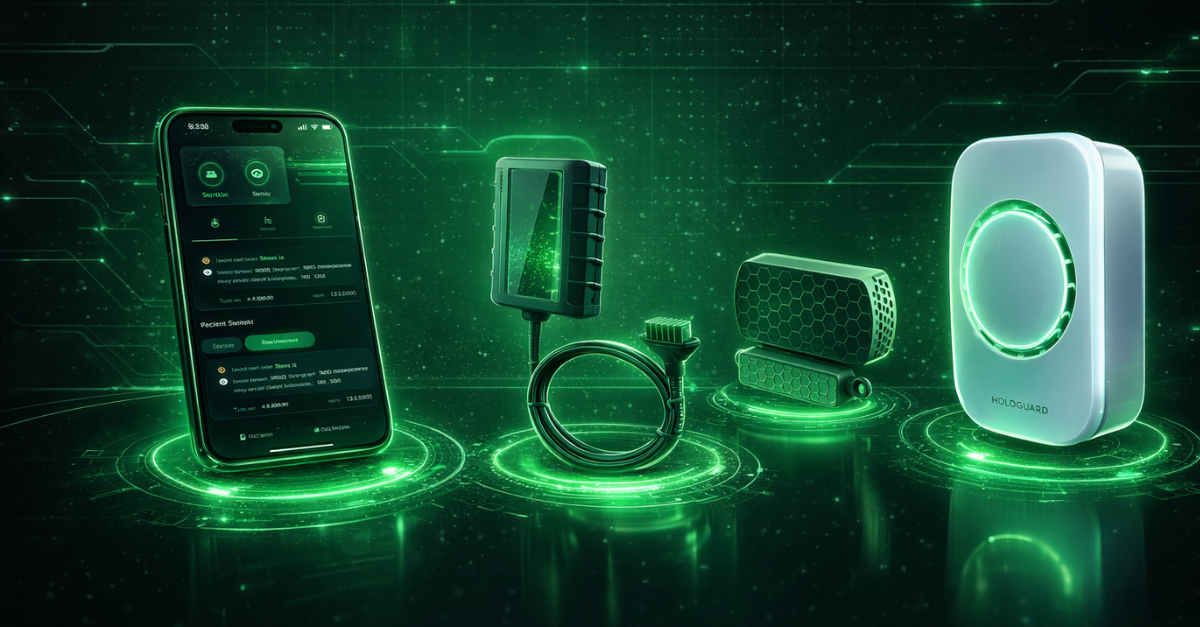
Where This Changes Everything
Most organizations already know their high-risk assets.
But the real opportunity lies in the places that feel low risk simply because nothing has been reported.
Temporary operations. Mobile service units. Distributed infrastructure. Equipment that moves between environments. Assets that generate revenue while sitting unattended.
These are the areas where traditional security assumptions break down.
Not because they lack protection, but because they rely on systems that were never designed to follow them.
When behavior becomes the focus, these environments become visible in a new way.
Patterns emerge. Signals gain meaning. And risks that once went unnoticed become clear.
This is where behavioral security for mobile assets creates its greatest impact.
The Shift Has Already Started
Security is no longer about building stronger barriers and hoping they hold.
It is about recognizing behavior and responding in real time.
That shift is already happening.
The only question is whether systems will continue to document what went wrong, or start influencing what happens next.
Because in the end, security is not defined by what you install.
It is defined by what you understand and how quickly you act.