

Assets do not just disappear.
They leave clues. They follow patterns. They move through a sequence of small, overlooked moments before they ever become a loss on a report.
Yet most businesses never see that sequence unfold. They arrive later, usually hours or even days after something has already gone wrong. At that point, the story feels simple. Something was stolen. Something is missing. Something needs to be replaced.
But that version of the story skips the part that matters most.
The part where it could have been stopped.
It Didn’t Start With Theft
Picture this.
A trailer sits in a yard at the end of the day. Equipment rests in place. A mobile unit powers down for the night. Everything looks normal. Nothing raises concern.
Sometime after midnight, something changes. Maybe the asset shifts slightly. Maybe a door opens. Maybe it moves a few feet, then more. No one notices. No one responds.
Most businesses label that moment as theft. That feels accurate. It also feels final.
But theft was not the beginning. It was the outcome.
The real problem started earlier, in the quiet window where something changed and no one knew.
The Misconception That Holds Businesses Back
Many organizations approach asset tracking for theft prevention with one goal in mind. Stop someone from stealing something.
That mindset creates a narrow focus. It assumes loss happens as a single event. It treats theft as the only threat worth solving.
In reality, loss builds over time. It grows from a combination of small gaps that rarely get attention on their own.
Assets move when they should not. Access happens without verification. Assumptions replace visibility. Time passes before anyone checks.
Each of those moments feels minor. Together, they create the conditions for loss.
When businesses focus only on theft, they miss everything that made theft possible.
What Actually Causes Assets to Disappear
Assets rarely vanish without warning. They follow patterns that repeat across industries, locations, and asset types.
The first pattern shows up in idle time.
Assets often sit for long stretches without oversight. Equipment rests in yards. Trailers remain parked between jobs. Mobile units stay unattended overnight. During these periods, nothing actively monitors their state. Teams rely on periodic checks instead of continuous awareness. That gap creates opportunity.
The second pattern involves movement that looks normal.
Many assets exist to move. Trailers get relocated. equipment shifts between sites. mobile units travel from one location to another. Because movement feels routine, it rarely triggers concern. That makes it easy for unauthorized movement to blend in with expected activity.
The third pattern comes from undefined boundaries.
Without clear expectations, everything appears acceptable. Assets can move outside intended areas. Access can occur at unexpected times. No system flags those changes because no rules define what “normal” should look like. When everything feels allowed, nothing stands out.
The fourth pattern centers on delayed discovery.
Most teams find issues long after they begin. A missing asset gets noticed during a morning check. A problem surfaces when a crew arrives on site. By then, hours have passed. Distance has increased. Options have narrowed.
At that stage, recovery becomes difficult. Prevention is no longer possible.
These patterns do not act independently. They build on each other. Idle time creates exposure. Normal-looking movement avoids attention. Lack of boundaries removes friction. Delayed discovery removes control.

Why Traditional Security Misses the Problem
Many businesses invest in security. They install cameras. They use locks. They deploy GPS tracking.
Those tools serve a purpose. They often fail to address the core issue.
Cameras capture footage, but they rarely prompt action in real time. Someone needs to watch or review that footage to find a problem.
Locks slow down access, but they do not eliminate it. Given enough time or intent, they become obstacles rather than barriers.
Basic GPS tracking shows where an asset is or where it has been. It provides location data, not context or urgency.
Each of these solutions answers an important question. What happened?
Very few answer the question that changes outcomes. What is happening right now?
Without that shift, businesses stay in a reactive position. They document loss instead of preventing it.
From Location to Behavior
Asset tracking for theft prevention becomes far more effective when it moves beyond location.
Location tells you where something is. Behavior tells you whether something is wrong.
That distinction changes everything.
When an asset moves outside business hours, that behavior matters more than its coordinates. When a door opens without authorization, that action carries more meaning than its position on a map. When vibration or tilt appears unexpectedly, that signal reveals risk before loss occurs.
Behavior creates context. Context creates clarity. Clarity creates the ability to act.
Instead of asking where an asset is, businesses begin asking whether it is acting as expected.
That shift turns tracking into insight.
A Problem That Spans Every Industry
This pattern does not belong to one industry.
Construction sites face it with equipment, trailers, and jobsite infrastructure. Rental companies deal with it across shared assets that move between customers. Mobile offices and field units encounter it in remote or temporary locations. ATMs and kiosks experience it as unattended machines that operate around the clock. Equipment cases and deployable gear carry the same risk across multiple sites.
The environments change. The pattern does not.
Assets sit idle. Oversight remains limited. Movement appears routine. Discovery arrives too late.
That combination creates consistent exposure across every operation.
The Turning Point: Acting Before Loss
The outcome changes when businesses intervene earlier in the sequence.
That requires a different approach to asset tracking for theft prevention.
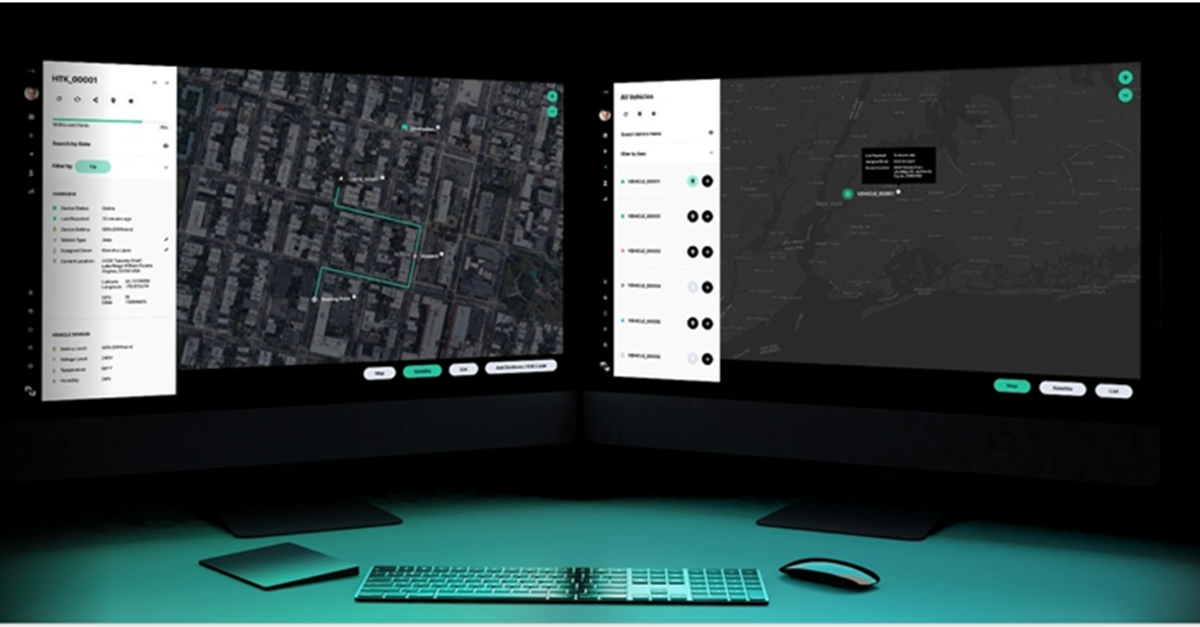
Instead of relying on passive data, systems need to surface meaningful signals. Movement should trigger attention when it falls outside expected patterns. Access should generate alerts when it occurs at the wrong time. Environmental changes should prompt awareness when they indicate tampering or disruption.
These signals create a window for action.
A team can respond when an asset first moves, not hours later. They can investigate when a door opens, not after contents disappear. They can address anomalies while the situation remains contained.
Prevention does not come from stopping theft in a single moment. It comes from interrupting the sequence that leads to loss.
The Business Impact Most Teams Overlook
The value of asset tracking for theft prevention extends far beyond recovering stolen items.
Early awareness reduces downtime. Teams spend less time searching for missing assets and more time using them productively. Operations stay on schedule instead of reacting to disruptions.
Faster response lowers the likelihood of extended loss. Problems get contained before they escalate into larger issues.
Insurance exposure often decreases when risk becomes more controlled. Fewer claims and stronger safeguards create long-term financial benefits.
Utilization improves when businesses understand how assets move and behave. That visibility helps teams allocate resources more effectively.
The biggest impact rarely shows up in recovered assets. It shows up in events that never turn into losses.
Rethinking What Tracking Should Deliver
Many organizations still define tracking in simple terms. They want to know where their assets are.
That expectation sets a low bar.
Modern operations need more than location. They need clarity around behavior, context, and risk. They need systems that highlight meaningful changes instead of overwhelming teams with data.
Tracking should lead to decisions. It should support action. It should create control.
When businesses make that shift, they move from monitoring assets to managing outcomes.
Assets Do Not Disappear Without a Reason
Every loss follows a path.
It begins with a small change. It continues through unnoticed activity. It ends with a missing asset.
That path leaves signals along the way. Most businesses simply do not have the systems in place to recognize them early enough.
The difference between control and loss often comes down to one factor.
Timing of awareness.
Not hours later. Not the next morning.
Right when something changes.