
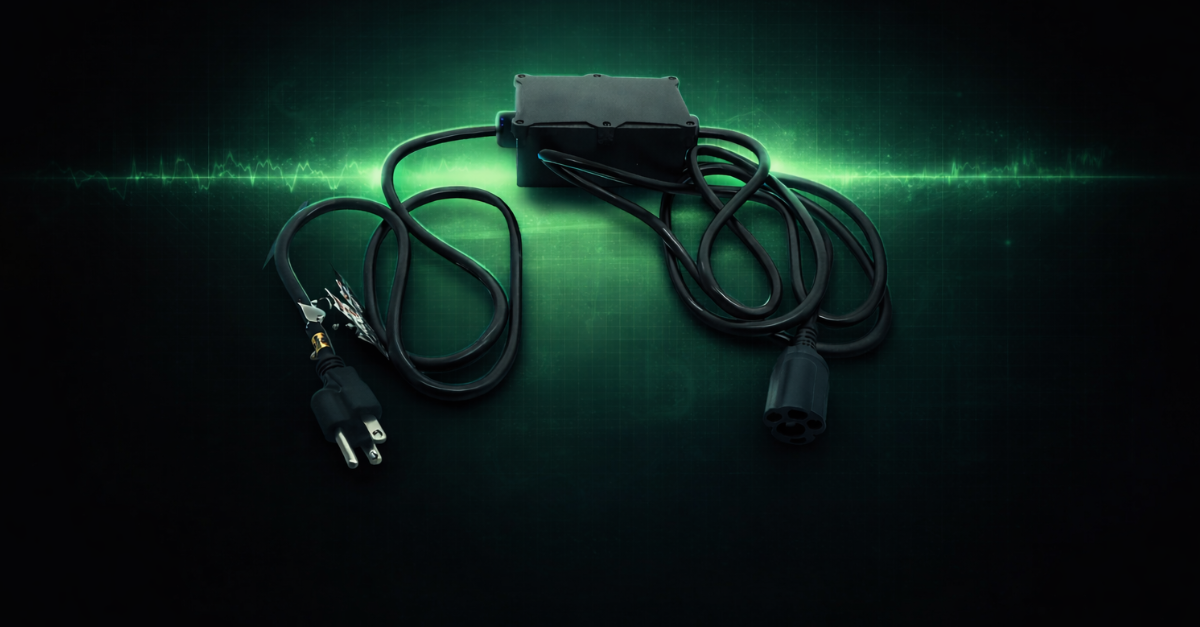
Most equipment failures do not start with hardware breakdown.
They start with a freeze.
A communication drop.
A stalled application.
A kiosk that simply stops responding.
Yet the response is often the same. Dispatch a technician. Roll a truck. Absorb the cost.
A remote power reboot module changes that equation completely. It transforms recovery from a reactive expense into a controlled, intelligent operational strategy.
In distributed environments where uptime defines revenue and reputation, the ability to instantly restore equipment is no longer a convenience. It is a competitive advantage.
The Real Cost of Downtime Is Not the Repair
When an ATM, vending machine, kiosk, digital signage or industrial device freezes, the failure itself is usually minor. In many cases, a simple power cycle resolves the issue.
The problem is not the reboot. The problem is how it is delivered.
A technician dispatch often costs between $150 and $500 per visit. That does not include lost transaction revenue, SLA penalties, customer frustration, or internal administrative overhead. Multiply that by hundreds or thousands of distributed assets, and the cost becomes significant.
Downtime compounds quietly.
Revenue pauses.
Service metrics decline.
Customer trust erodes.
A remote power reboot module eliminates the need for on-site intervention in situations where a controlled power cycle is all that is required. Instead of waiting hours for recovery, operations teams can restore functionality in seconds.
What a Remote Power Reboot Module Actually Does
A remote power reboot module allows operators to cut and restore power to equipment instantly, from anywhere.
However, the value extends beyond simple remote control.
Instant Remote Power Cycling
With secure access, authorized users can power cycle a machine immediately. No travel. No scheduling. No downtime beyond the reboot itself.
For ATM operators, that can mean restoring transaction capability before customers walk away. For kiosks, it can mean preserving sales during peak traffic hours. For industrial systems, it can mean avoiding production interruptions.
Intelligent Triggered Recovery
An advanced remote power reboot module can initiate recovery automatically when anomalies are detected. If a device stops responding to a health check, the system can trigger a reboot without human intervention.
This is not a smart plug. It is intelligent recovery built into your operational infrastructure.
Automation reduces response time. Reduced response time protects revenue.

Secure Command Execution
In enterprise environments, control must be governed.
A professional remote power reboot module includes role-based access controls, audit logs, and confirmation tracking. Every action is documented. Every command is accountable.
This protects both operational integrity and compliance standards. Recovery should never compromise security.
Reactive Recovery Versus Intelligent Recovery
Many organizations still operate in a reactive model.
A failure occurs.
A call is placed.
A technician is dispatched.
A manual reboot is performed.
This model consumes resources and time.
An intelligent model looks different.
A system detects an anomaly.
A remote power reboot module triggers a controlled reset.
The device restores service.
An audit log records the action.
The difference is measured in minutes versus hours. It is also measured in operational control.
Intelligent recovery reallocates technician resources to higher value tasks. It improves SLA adherence. It reduces the unpredictability of field service operations.
Downtime becomes manageable instead of disruptive.
Why This Is Not Just an IT Tool
It is easy to assume that a remote power reboot module is simply an IT accessory. That view limits its strategic impact.
Operations teams gain faster recovery.
Finance teams see reduced truck roll expenses.
Risk teams reduce exposure to extended outages.
Customer experience teams maintain service continuity.
In industries like ATM management, vending operations, digital signage, retail kiosks, and industrial automation, uptime equals revenue. A machine that is offline is not neutral. It is actively losing money.
When you scale across hundreds or thousands of assets, even small improvements in recovery time create measurable financial impact.
The conversation shifts from “Can we reboot it?” to “How much downtime are we willing to tolerate?”
Integrating Remote Reboot With Monitoring and Security
Recovery is more powerful when it is part of a broader operational ecosystem.
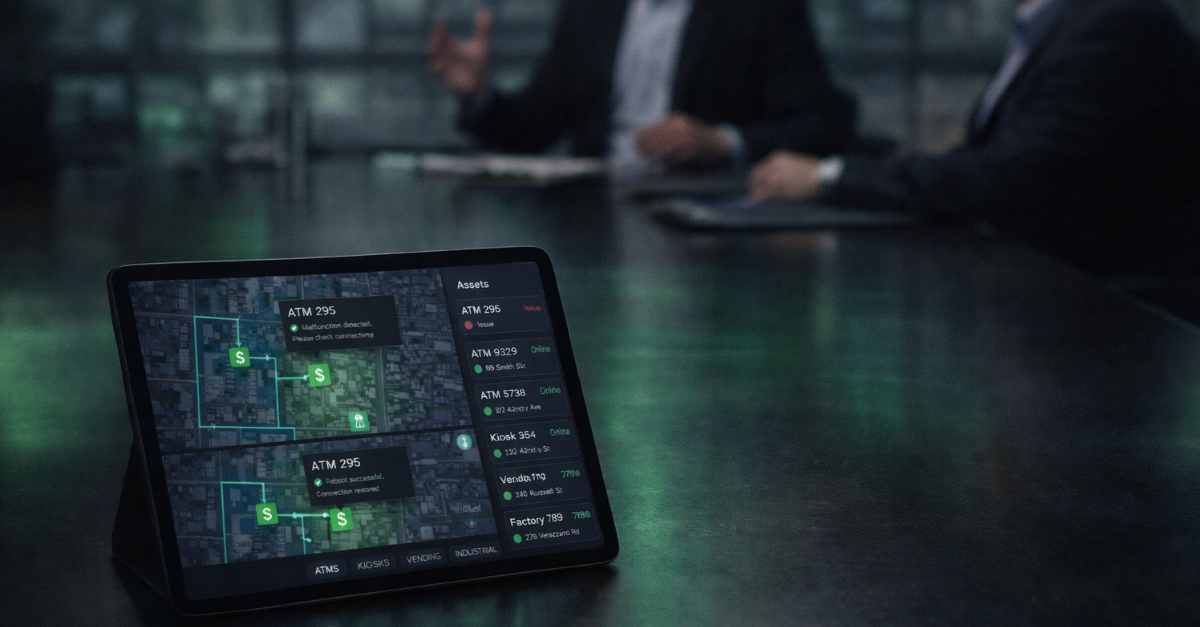
When combined with monitoring tools, sensors, or mobile alarm systems, a remote power reboot module becomes one layer in a coordinated response strategy.
For example:
- A communication failure is detected.
- A remote power cycle is triggered.
- The system confirms restoration.
- If the device does not recover, alerts escalate automatically.
In environments where physical security is also a concern, remote reboot can complement movement detection, tamper alerts, and environmental monitoring. Instead of isolated systems, operators gain a connected response framework.
The goal is not simply to restart equipment. The goal is to maintain control.
The Financial Case for a Remote Power Reboot Module
The financial case is straightforward.
Assume a conservative technician dispatch cost of $250. If a distributed network experiences only two recoverable freeze events per device per year, the expense grows rapidly.
Now compare that with the cost of implementing a remote power reboot module across the same asset base.
Even modest reductions in truck rolls generate immediate return on investment. Beyond that, uptime improvements preserve revenue that would otherwise disappear during outages.
The savings are not theoretical. They are operational.
Additionally, technician capacity is finite. Every avoidable dispatch creates bandwidth for more complex issues that genuinely require on-site expertise.
Efficiency improves across the organization.
Evaluating the Right Remote Power Reboot Module
Not all solutions are equal. When evaluating a remote power reboot module, consider the following:
- Does it support secure, role-based access?
- Are commands logged and auditable?
- Can it trigger automatically based on health monitoring?
- Does it integrate with broader asset management systems?
- Is it built for commercial and industrial environments?
A consumer-grade smart outlet may reboot a device. It will not provide enterprise governance, automation, or integration.
Distributed operations require infrastructure-grade solutions.
The Future of Distributed Equipment Recovery
Physical operations are becoming more distributed, not less.
ATMs sit in retail environments with limited on-site oversight.
Kiosks operate in airports, malls, and hospitals.
Industrial systems span multiple facilities.
At the same time, service costs continue to rise. Expectations for uptime continue to increase.
Organizations that rely on manual recovery processes will struggle to scale efficiently.
A remote power reboot module represents a shift in mindset. It acknowledges that minor failures are inevitable. What matters is how quickly and intelligently they are resolved.
Recovery must be immediate.
Recovery must be secure.
Recovery must be automated where possible.
Anything less introduces avoidable friction into operations.
Downtime Is a Management Choice
Downtime was once considered part of the cost of running distributed equipment.
It does not have to be anymore.
A remote power reboot module gives your organization the ability to eliminate avoidable truck rolls, accelerate recovery, and take control of uptime across every connected asset. When restoration happens in seconds instead of hours, the impact is measurable in revenue, service levels, and customer trust.
This is not about simply restarting a machine.
It is about redesigning your recovery model so interruptions no longer dictate your operations.
If your team still sends technicians into the field for routine resets, you are not just absorbing cost. You are accepting unnecessary friction in your system.
HoloTrak partners with operators to implement intelligent remote recovery strategies that reduce downtime, strengthen operational control, and create immediate financial impact.
Downtime is not just a technical event.
It is a leadership decision.